Colombian Christmas Traditions Day 2

**Every night for the nine nights before Christmas Colombians celebrate novenas, so I will be writing a blog post every day about Colombian Christmas traditions. Feliz Navidad!**

Today is December 17, the second day of novenas, and my second of nine bog posts about Colombian Christmas traditions.

There are many foods that are traditionally eaten around Christmastime in Colombia. My personal favorite is buñuelos. Buñuelos are a delicious dough ball with cheese and are fried, so they’re nice and crispy on the outside but soft and fluffy on the inside.

Buñuelos

Natilla and paneton are typical Christmas desserts. Natilla is a cake with a texture a bit like flan and the primary ingredients are milk, panela, and cornstarch. People often make it with arequipe as well. Paneton is a more traditional cake, baked in a round form with a hole in the middle, and is usually made with dried fruits or chocolate chips.

Natilla

Paneton

The traditional Colombian family Christmas meal is served on Christmas Eve, and the main dish is turkey. Pretty much the only time you can find turkey in Colombia is around Christmastime.

Traditional drinks, which can be found all year round but are even more prevalent at Christmastime, are canelazo and hot chocolate. Canelazo is agua de panela with a shot of aguardiente and a bit of lime and sugar, and sometimes cinnamon as well. It is delicious and will warm you up right away. Hot chocolate is the same as anywhere else, but in Colombia people often melt cheese in the hot chocolate and then eat it or dip their bread in the hot chocolate.

Canelazo

Tomorrow I will have recipes for all of the foods mentioned today!

Beginning of Novenas

Today is December 16, and in Colombia, on this day begins the Christmas tradition of novenas. Every night for the nine nights before Christmas, Colombians celebrate novenas, and so I will be writing a blog post every day about Colombian Christmas traditions. Happy Holidays!

So what are novenas? Literally the word means “ninths,” for the nine days of celebration before Christmas. From December 16 – December 24, family and friends gather in a different person’s home each night to eat traditional Colombian Christmas food, sing Christmas carols in front of the nativity set (in Spanish, pesebre), and drink traditional holiday beverages.

Novenas are traditionally a religious custom; the nine days are symbolic of Mary’s pregnancy with Jesus, and families gather to pray in front of the nativity scene. Some families continue this tradition, but also, especially for younger people, novenas are a time to gather together, eat, and drink.

La Noche de las Velitas

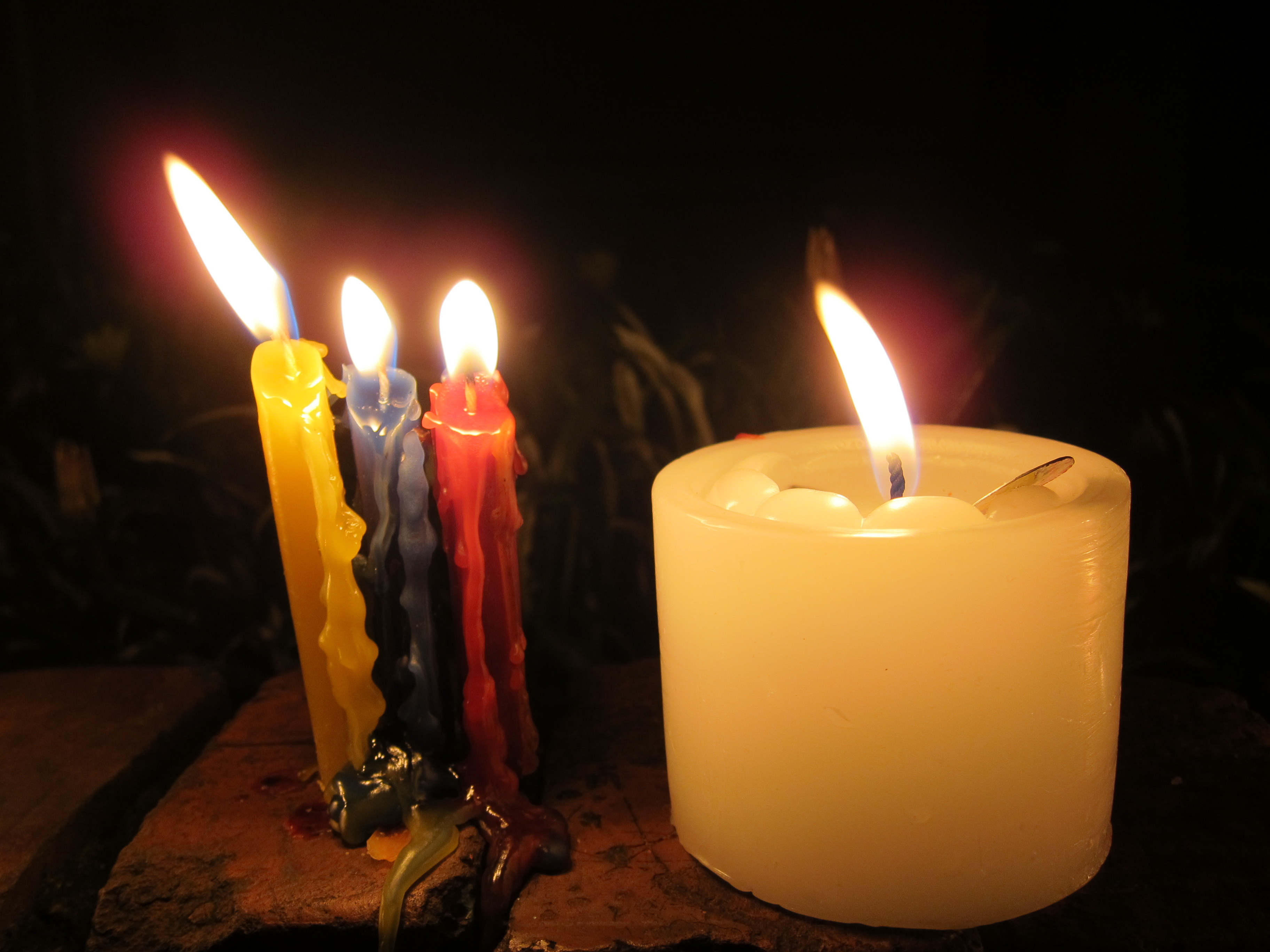
This past Thursday, December 8, was a holiday in Colombia. December 8 is the day of the Immaculate Conception, and on the eve before this holiday Colombians celebrate La Día de las Velitas (The Night of Candles). Continue reading

Top 5 Things I Miss from the Coast

Flag of Barranquilla

Today is my last day in Barranquilla; I go back to Bogotá tonight. The next time I’ll be here will be for CARNAVALES! I can’t wait. I’m excited to go back to Bogotá, but there are some things from Barranquilla that I have really missed, so I want to share my top five.  Continue reading

Back in La Costa!

View from my old classroom of the preschool where I taught

I am back in Barranquilla, my old home, for the first time in five months. It is wonderful being back. Everything feels so familiar still; it really feels so much more like home to me than Bogotá does. Although perhaps that will change in a few months.   Continue reading

Op-Ed for Colombia Reports

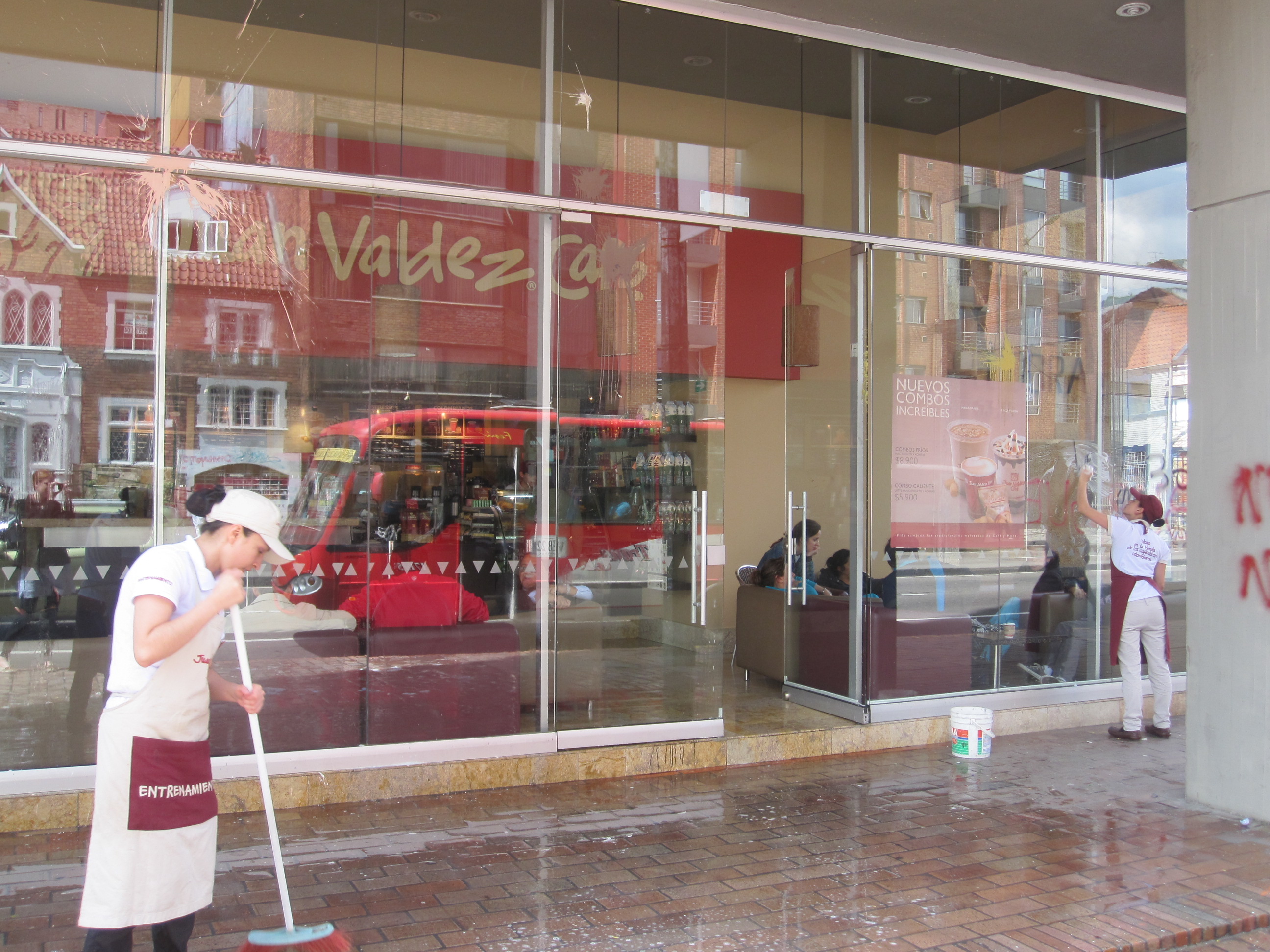
Juan Valdez workers forced to clean up the mess of protestors

Today I walked home along Carrera Septima in Bogotá and I was angry and appalled. Buildings along the street were covered with graffiti and paint splatter from students protesting the Ley 30 Reform, and the workers of these places had to clean up their mess. I was so furious, I came home immediately and wrote an Op-Ed to the student protestors of Ley 30 Reform for Colombia Reports. You can read the full article here: Dear student protestors.

Education in Colombia

Photo Courtesy of justiceforcolombia.org

So last week I went to school with one of my gringa friends who is a teacher here in Bogotá. She is here through a program called World Teach, which is a program that places you in a country and you teach English at a school that would not normally have the funding for English teachers and they give you a small stipend to live on. If you know what Teach for America is, it is essentially TFA but in a foreign country.  Continue reading

Why Colombia?

Exciting news! GoAbroad.com, one of the leading websites on meaningful travel and studying, living, and working abroad, has chosen to feature The Wanderlust Chronicles as their Blog of the Week. In honor of having my blog featured on GoAbroad.com, I want to tell you, Dear Reader, why I chose to, well, go abroad to Colombia. Continue reading

Symbolic Tribunal on Sexual Violence

This past Monday, September 26, I had the opportunity to participate in a Symbolic Tribunal against Sexual Violence in the Context of the Colombian Armed Conflict, held at the Universidad Naciónal in Bogotá. It was important event that helped bring to light some of the violence that happens as a result of the armed conflict in Colombia and the impunity that surrounds these cases. I wrote an article about it for Colombia Reports, a Colombian news website published in English. You can read the full article here: Bogota university holds ‘court’ against sexual violence.

My Journey to Obtain a Colombian Work Visa

also: How to Obtain a Colombian Work Visa in Venezuela.

View of Cucuta from my hotel room

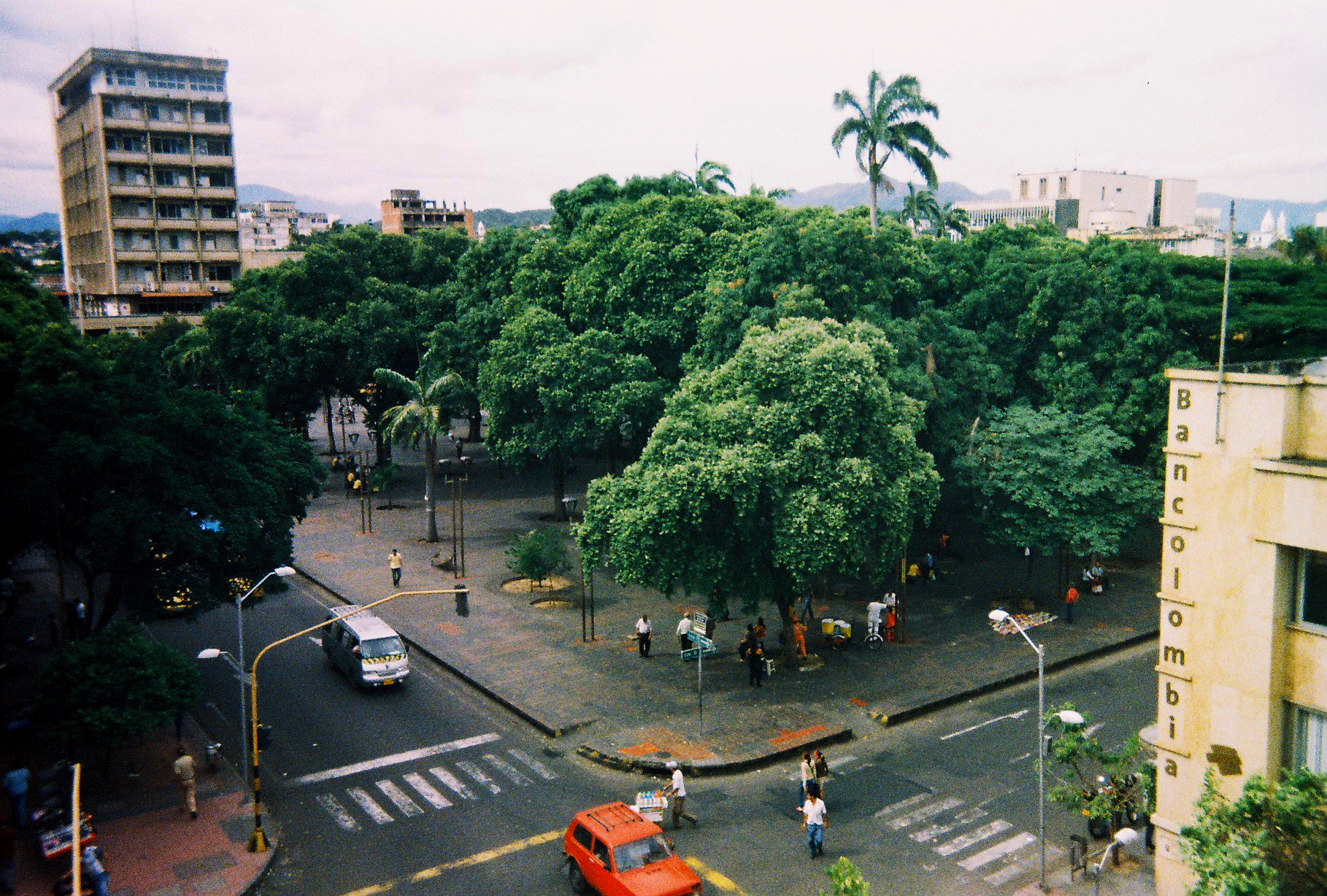
I left Bogotá Wednesday morning and flew to Cucuta, the closest Colombian city with an airport to Venezuela. I was told that going to Venezuela is the easiest and cheapest way for a foreigner to obtain a Colombian visa. For some absurd reason that I cannot figure out, in order to obtain a visa for Colombia, one must go out of the country to a Colombian Consulate in another country. I do not understand why I can’t get a Colombian visa in Colombia, but that’s how it is. And before you say anything, Dear Latino Readers, I know. I know the visa process is extremely difficult and frustrating for you guys, to go to either the States or Europe. But that doesn’t make Colombia’s rules any less absurd or exasperating.

Continue reading